
Mindfulness Practices for Anxiety: A Gentle Path to Calm
Anxiety can feel like a constant companion, whispering worries and fears that seem hard to silence. I know how overwhelming it can be to live with that restless energy inside. But there is a gentle, nurturing way to find peace amid the storm. Mindfulness offers us a kind invitation to slow down, breathe, and reconnect with the present moment. It’s not about pushing anxiety away but learning to sit with it, observe it, and let it soften.
If you’ve ever wondered how to bring more calm into your life, this post is for you. Together, we’ll explore mindfulness practices for anxiety that you can start using today. These simple, practical steps can help you feel more grounded and in control, even when your mind feels like it’s racing.
What Is Mindfulness and How Can It Help?
Mindfulness is the art of paying attention - on purpose, and without judgment - to what’s happening right now. It’s about tuning into your senses, your breath, and your thoughts with gentle curiosity. When anxiety strikes, our minds often spiral into “what if” scenarios or replay worries over and over. Mindfulness helps us break that cycle by anchoring us in the here and now.
By practicing mindfulness, you can:
Reduce stress by calming your nervous system.
Increase awareness of anxious thoughts without getting caught up in them.
Build resilience to face challenges with more ease.
Improve emotional regulation so feelings don’t overwhelm you.
It’s important to remember that mindfulness is a skill, not a quick fix. Like any skill, it grows stronger with regular practice. And the beauty is, you don’t need special equipment or a lot of time. Even a few minutes a day can make a difference.

Mindfulness Practices for Anxiety You Can Try Today
Let’s explore some mindfulness practices for anxiety that feel approachable and soothing. You can try these at home, at work, or anywhere you need a moment of calm.
1. Mindful Breathing
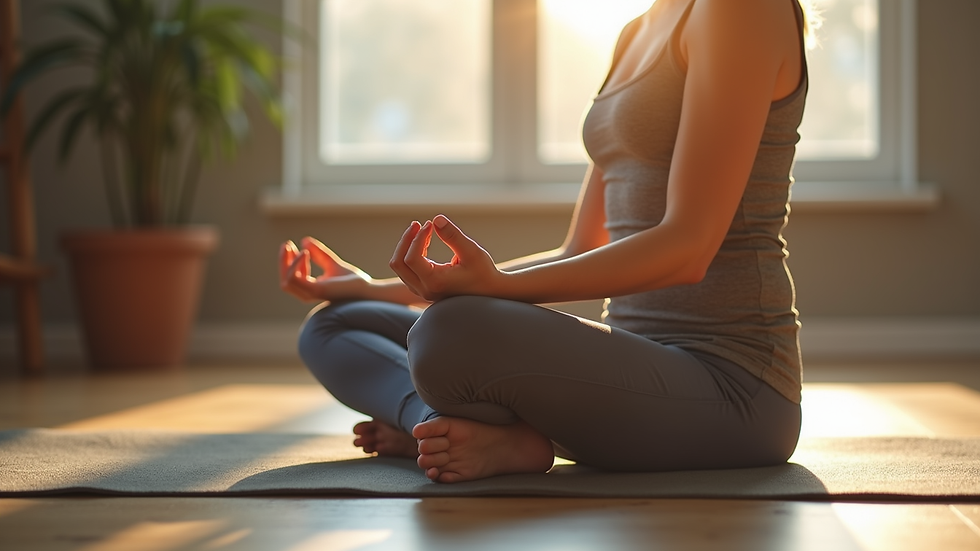
Breathing is always with you, and it’s a powerful tool to bring your focus back to the present. Try this:
Sit comfortably with your back straight but relaxed.
Close your eyes if you feel safe doing so.
Take a slow, deep breath in through your nose, counting to four.
Hold the breath gently for a count of two.
Exhale slowly through your mouth for a count of six.
Repeat this cycle 5-10 times.
Notice the sensation of the air entering and leaving your body. If your mind wanders, gently bring it back to your breath without judgment.
2. Body Scan Meditation
This practice helps you connect with your body and release tension:
Lie down or sit comfortably.
Close your eyes and take a few deep breaths.
Slowly bring your attention to your feet. Notice any sensations - warmth, tingling, or tightness.
Gradually move your focus up through your legs, hips, abdomen, chest, arms, neck, and head.
If you find areas of tension, imagine breathing into them and letting the tightness soften.
Take your time and be kind to yourself throughout.
3. Grounding Exercise
When anxiety feels overwhelming, grounding can help you feel more stable:
Look around and name five things you can see.
Listen carefully and identify four sounds.
Notice three things you can touch nearby.
Identify two smells or scents.
Focus on one taste or simply notice the feeling of your tongue in your mouth.
This exercise brings your attention to the present and away from anxious thoughts.
4. Mindful Walking
If sitting still feels hard, try mindful walking:
Walk slowly and deliberately.
Pay attention to the sensation of your feet touching the ground.
Notice the rhythm of your steps and the movement of your body.
Observe the sights, sounds, and smells around you.
If your mind drifts, gently return your focus to the act of walking.
These practices are gentle invitations to be present, not tasks to perfect. You might find some easier or more enjoyable than others. That’s perfectly okay.
How to do mindfulness for anxiety?
Starting a mindfulness practice can feel a bit daunting, but it’s really about taking small, kind steps. Here’s a simple way to begin:
Set aside a few minutes each day. Even 5 minutes is a great start.
Choose a quiet, comfortable spot. It could be a corner of your room or a favourite chair.
Pick a practice that feels right. Maybe mindful breathing or a body scan.
Use a gentle timer so you don’t have to watch the clock.
Be patient with yourself. Your mind will wander, and that’s normal.
Notice how you feel after the practice. Even small shifts matter.
If you want, you can keep a journal to note your experiences. What did you notice? What felt helpful? This can deepen your awareness and motivation.
Remember, mindfulness is not about stopping your thoughts or feelings. It’s about changing your relationship with them. When anxiety arises, you can acknowledge it with kindness and curiosity instead of fear or frustration.

Bringing Mindfulness Into Everyday Life
Mindfulness doesn’t have to be limited to formal practice sessions. You can weave it into your daily routine in simple ways:
Mindful eating: Slow down and really taste your food. Notice textures, flavours, and smells.
Mindful listening: When talking with someone, give them your full attention without planning your response.
Mindful chores: Whether washing dishes or folding laundry, focus on the sensations and movements.
Mindful pauses: Take a few deep breaths before starting a new task or when you feel stressed.
These moments help you stay connected to the present and reduce the grip of anxious thoughts.
If you want to explore more, there are many guided mindfulness meditations available online. You might find it helpful to listen to a calm voice leading you through the practice, especially in the beginning.
For those looking for more structured support, mindfulness for anxiety can be a wonderful complement to therapy or counselling. It’s a tool that empowers you to navigate life’s challenges with more ease and self-compassion.
Embracing Your Journey with Compassion
Learning mindfulness is a journey, not a destination. Some days will feel easier than others. You might notice your anxiety lessen, or you might simply feel more able to sit with it. Both are valuable.
Be gentle with yourself. Celebrate the small victories - a few calm breaths, a moment of stillness, a kind thought towards yourself. These are the seeds of lasting change.
If you ever feel stuck or overwhelmed, reaching out for support is a brave and important step. You don’t have to walk this path alone.
May these mindfulness practices for anxiety bring you moments of peace and a deeper connection to yourself. You deserve kindness, calm, and the freedom to live fully in each moment.
If you’d like to learn more about how mindfulness can support your mental well-being, feel free to explore resources or connect with professionals who can guide you gently along the way. Your story is important, and every step you take towards calm is a step towards a more balanced and authentic life.


Comments