
Mindfulness Techniques for Anxiety: Finding Calm in the Present Moment
Anxiety can feel overwhelming, like a storm swirling inside your mind. When those moments hit, it’s natural to want relief. I’ve found that mindfulness offers a gentle, effective way to ease anxiety and bring a sense of calm. It’s about tuning into the present moment, noticing your thoughts and feelings without judgement, and gently guiding yourself back to peace. If you’re curious about how mindfulness can help you, let’s explore some simple techniques together.
Mindfulness Techniques for Anxiety: What Works Best?
Mindfulness isn’t just one thing - it’s a collection of practices that help you stay grounded. Here are some techniques I’ve found particularly soothing when anxiety creeps in:
Breath Awareness: Focusing on your breath is a powerful anchor. Try breathing in slowly for a count of four, holding for four, then breathing out for four. This simple rhythm calms your nervous system and brings your attention away from anxious thoughts.
Body Scan: This involves slowly moving your attention through your body, noticing sensations without trying to change them. Starting at your toes and moving up to your head, you might notice tension or warmth. This practice helps you reconnect with your body and release stress.
Mindful Observation: Pick an object nearby - a plant, a cup, or a piece of fabric. Look at it closely, noticing colours, textures, and shapes. This exercise pulls you into the present and away from worries about the past or future.
Grounding Techniques: When anxiety feels intense, grounding can help. Try naming five things you can see, four you can touch, three you can hear, two you can smell, and one you can taste. This sensory check-in brings you back to the here and now.
Loving-Kindness Meditation: This practice involves silently repeating phrases like “May I be safe, may I be calm, may I be happy.” It nurtures self-compassion and softens anxious feelings.
Each of these techniques invites you to slow down and be gentle with yourself. You don’t need to do them perfectly - just showing up is enough.
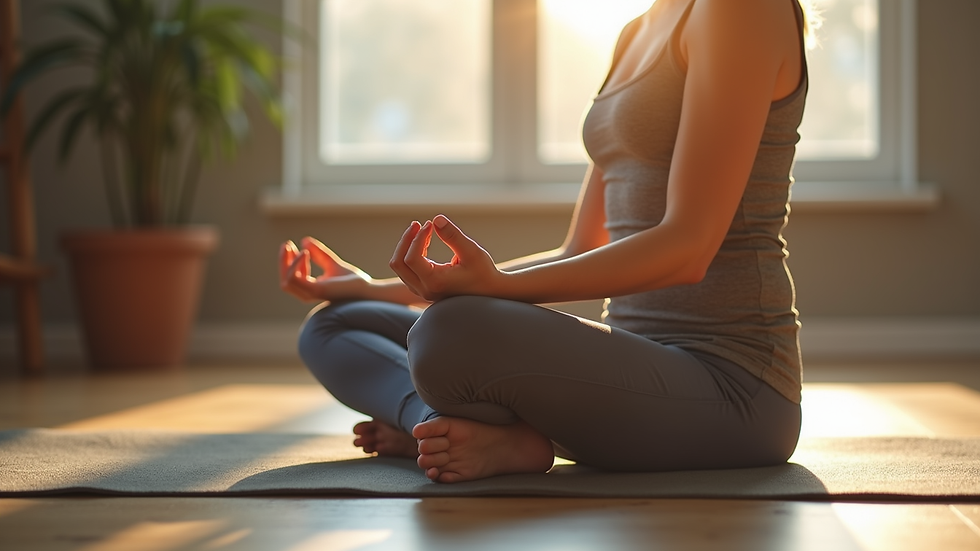
How to Do Mindfulness for Anxiety?
Starting mindfulness can feel unfamiliar, but it’s easier than you might think. Here’s a simple step-by-step guide to get you going:
Find a Quiet Space: Choose a comfortable spot where you won’t be disturbed. It could be a cosy corner at home or a peaceful outdoor setting.
Set a Timer: Begin with just 5 minutes. You can gradually increase this as you feel more comfortable.
Get Comfortable: Sit or lie down in a relaxed position. Keep your back straight but not stiff.
Focus on Your Breath: Close your eyes if you like. Notice the sensation of air entering and leaving your nostrils or the rise and fall of your chest.
Notice Your Thoughts: When your mind wanders, gently bring your attention back to your breath. It’s normal for thoughts to come and go.
End with Kindness: Before opening your eyes, take a moment to thank yourself for taking this time. Acknowledge any feelings that came up without judgement.
You might find it helpful to try different techniques on different days. The key is consistency - even a few minutes daily can make a difference.

Why Mindfulness Helps Ease Anxiety
Anxiety often thrives on what-ifs and worries about the future. Mindfulness gently interrupts this cycle by bringing your focus back to the present moment. When you practise mindfulness, you learn to observe your thoughts and feelings without getting caught up in them. This creates space between you and your anxiety.
Research shows that mindfulness can reduce stress hormones, lower blood pressure, and improve emotional regulation. It helps you respond to anxiety with curiosity instead of fear. Over time, this builds resilience and a greater sense of control.
I encourage you to think of mindfulness as a muscle. The more you practise, the stronger your ability to stay calm and centred becomes.
Practical Tips to Integrate Mindfulness into Your Day
Mindfulness doesn’t have to be a formal practice only. You can weave it into everyday moments:
Mindful Eating: Slow down and savour each bite. Notice the flavours, textures, and smells. This can turn a routine meal into a calming ritual.
Mindful Walking: Feel your feet touching the ground. Listen to the sounds around you. Breathe deeply as you move.
Mindful Pauses: Take short breaks during your day to check in with yourself. Even 30 seconds of mindful breathing can reset your mood.
Journaling: Write down your thoughts and feelings without censoring. This can help you process anxiety and gain clarity.
Digital Detox: Set aside time away from screens to reconnect with your senses and surroundings.
By making mindfulness a natural part of your life, you create a steady foundation to manage anxiety when it arises.
Embracing Mindfulness for Anxiety as a Journey
Remember, mindfulness is not about eliminating anxiety completely. It’s about changing your relationship with it. You’re learning to meet anxiety with kindness and curiosity instead of resistance.
If you ever feel stuck, it’s okay to seek support. Talking to a counsellor or therapist can provide guidance tailored to your needs. They can help you explore mindfulness techniques that resonate with you and support your personal growth.
If you want to explore more about mindfulness for anxiety, there are many resources and communities ready to welcome you.
I invite you to take a gentle step today. Find a quiet moment, breathe deeply, and remind yourself that you are not alone. Together, we can navigate anxiety with compassion and hope.
Thank you for spending this time with me. May your journey with mindfulness bring you peace and balance.


Comments