
Mindfulness Techniques for Anxiety: A Gentle Approach
Updated: Feb 2
Understanding Mindfulness Techniques for Anxiety
Mindfulness is about paying attention to what’s happening right now, without judgement. When anxiety strikes, our minds often race ahead, worrying about what might happen next. Mindfulness helps us step back from those worries and focus on the here and now. This shift can reduce the intensity of anxious thoughts and feelings.
You might wonder, how does this work in practice? When you notice your breath, the sensations in your body, or the sounds around you, you anchor yourself in the present. This grounding effect interrupts the cycle of anxious thinking. It’s like pressing pause on your mind’s autopilot.
Some common mindfulness techniques include:
Breathing exercises: Focusing on slow, deep breaths.
Body scans: Noticing sensations from head to toe.
Mindful walking: Paying attention to each step and movement.
Guided meditations: Listening to a calming voice that leads you through mindfulness.
These techniques are simple but powerful tools you can use anytime anxiety arises.

How to Do Mindfulness for Anxiety?
Starting mindfulness doesn’t require special equipment or a lot of time. You can begin with just a few minutes each day. Here’s a gentle way to try it:
Find a quiet spot where you won’t be disturbed.
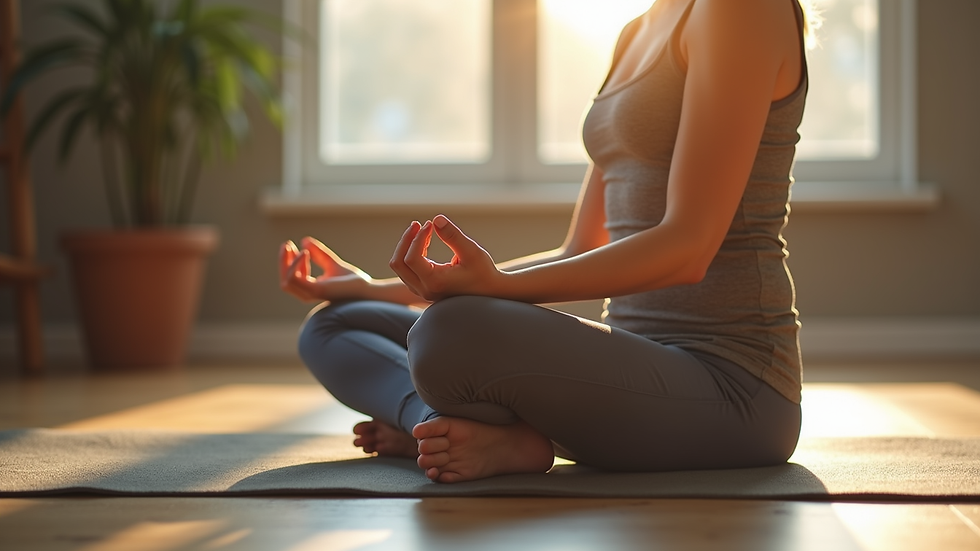
Sit comfortably with your back straight but relaxed.
Close your eyes or soften your gaze.
Take a deep breath in through your nose, feeling your lungs expand.
Exhale slowly through your mouth, releasing tension.
Focus on your breath as it moves in and out.
When your mind wanders, gently bring your attention back to your breath without judgement.
You can also try a body scan by slowly moving your attention through different parts of your body, noticing any sensations or areas of tension. This practice helps you become more aware of how anxiety shows up physically.
If you prefer movement, mindful walking is a wonderful option. Walk slowly and pay attention to how your feet touch the ground, the rhythm of your steps, and the feeling of the air on your skin.
Remember, mindfulness is a skill that grows with practice. It’s okay if your mind wanders often at first. Each time you return your focus, you’re strengthening your ability to stay present.
The Science Behind Mindfulness and Anxiety Relief
You might be curious about why mindfulness works so well for anxiety. Research shows that mindfulness can change the way our brains respond to stress. When we practice mindfulness regularly, it can:
Reduce activity in the amygdala, the brain’s fear centre.
Increase activity in the prefrontal cortex, which helps regulate emotions.
Lower levels of cortisol, the stress hormone.
Improve overall emotional regulation and resilience.
These changes help us respond to anxiety with more calm and clarity. Instead of reacting impulsively, mindfulness encourages a thoughtful response. This shift can make a big difference in how we experience anxiety day to day.
Practical Tips to Incorporate Mindfulness into Your Daily Life
Bringing mindfulness into your routine doesn’t have to be complicated. Here are some gentle ways to weave it into your day:
Start your morning with a few mindful breaths before getting out of bed.
Take mindful pauses during work or study breaks. Close your eyes and focus on your breath for a minute or two.
Eat mindfully by paying attention to the taste, texture, and smell of your food.
Use reminders like a bracelet or phone alarm to prompt you to pause and breathe.
Practice gratitude by noticing small things you appreciate each day.
These small moments add up and can create a more grounded, peaceful mindset over time.
If you want to explore more structured mindfulness practices, consider guided meditations or mindfulness apps. They can offer support and variety as you build your practice.

Embracing Mindfulness for Anxiety as a Lifelong Companion
Mindfulness is not a quick fix but a lifelong companion. It invites you to be kind to yourself, especially when anxiety feels tough. By practicing mindfulness, you learn to meet your experience with curiosity and compassion rather than fear.
If you ever feel stuck or overwhelmed, remember that support is available. Sometimes, combining mindfulness with counselling or therapy can provide deeper healing and growth. Your Storylines Counselling and Therapy is here to empower you to navigate life’s challenges, reduce anxiety and stress, and build a more balanced, authentic life.
If you want to learn more about how mindfulness can help you, check out this resource on mindfulness for anxiety. It’s a gentle step towards reclaiming calm and clarity.
The Journey of Mindfulness: A Path to Inner Peace
As you embark on your mindfulness journey, remember that it’s perfectly okay to have ups and downs. Each moment is an opportunity to learn and grow. You might find that some days are easier than others. That’s part of the process.
Consider keeping a mindfulness journal. Write down your thoughts and feelings after each practice. This can help you reflect on your progress and notice patterns in your anxiety. It’s a wonderful way to celebrate your successes, no matter how small.
You might also want to share your experiences with a friend or family member. Talking about your journey can deepen your understanding and create a sense of connection. It’s comforting to know that you’re not alone in this.
May your journey with mindfulness bring you peace, strength, and a renewed sense of hope. You deserve it.


Comments